
AI-Powered Medical Image Enhancement Engine
Enhance clarity, resolution, and consistency of medical imaging data using advanced deep learning models and high-performance processing pipelines.
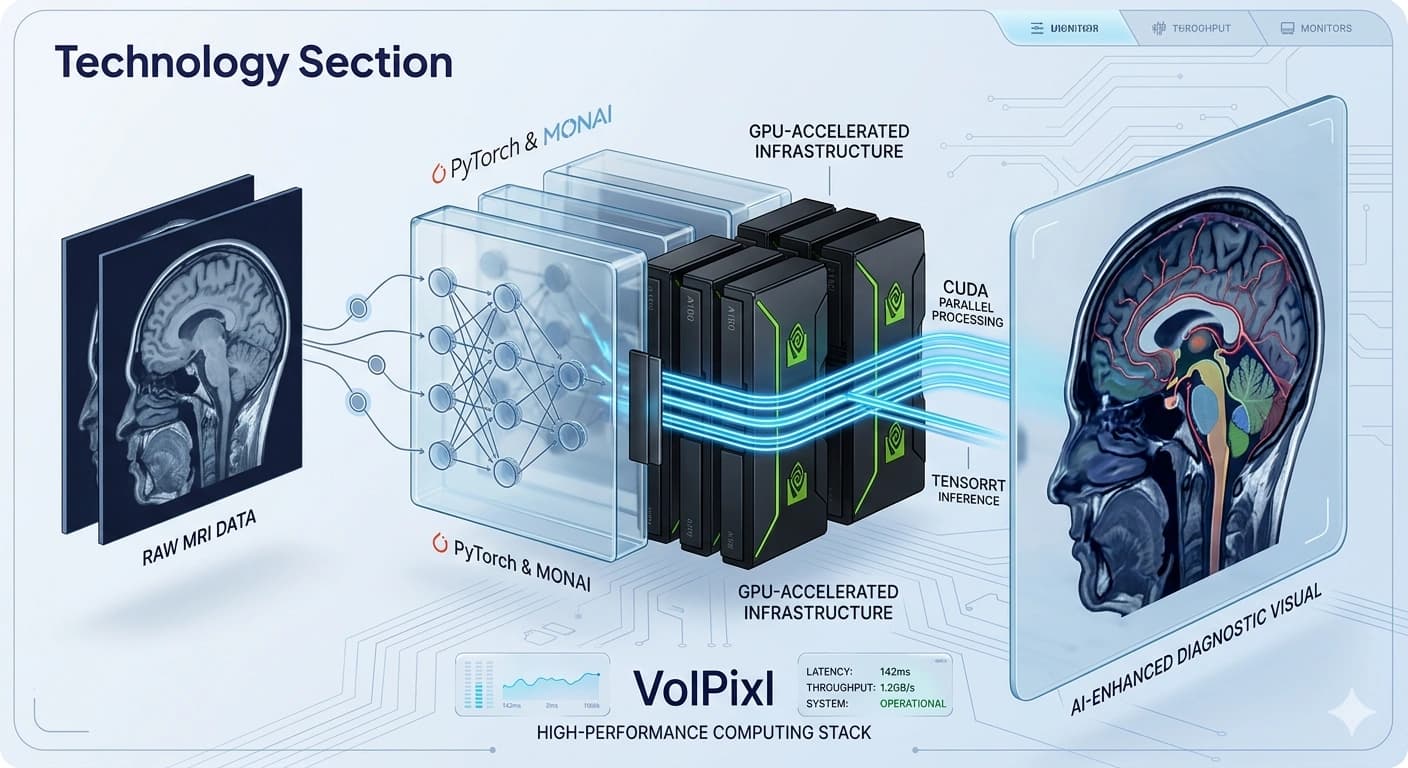
Transform Low-Quality Scans into High-Quality Visual Data
Medical imaging often faces challenges such as low resolution, noise interference, motion artifacts, and inconsistent acquisition conditions. These issues can impact the usability and interpretability of imaging data.
VolPixl's Image Enhancement engine is built to address these challenges using AI-driven techniques that improve image quality while preserving critical structural details. The system enhances images in a controlled and optimized manner, ensuring that outputs remain consistent and suitable for further visualization and analysis.
Designed for both clinical support and research workflows, the enhancement engine processes high-resolution datasets efficiently and integrates seamlessly into existing pipelines.
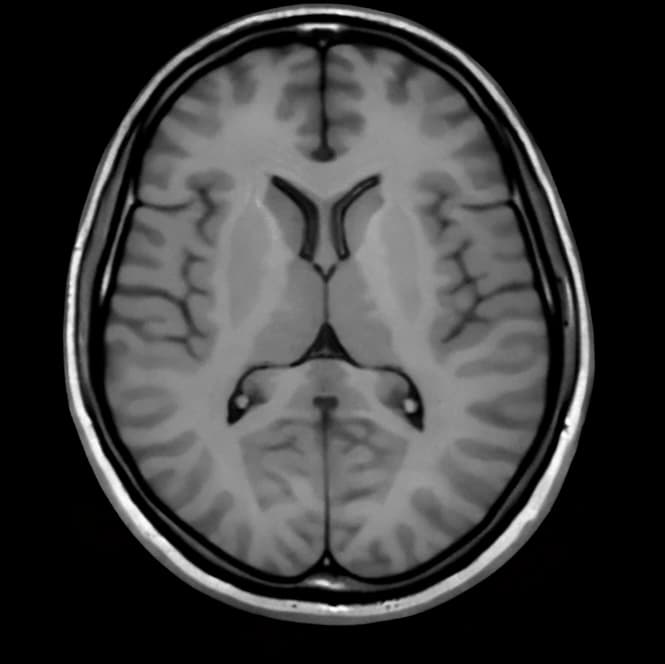
Preview
Super-resolution and denoising applied to produce cleaner, more usable imaging outputs.
Advanced AI-Driven Enhancement Techniques
A modular enhancement stack designed to improve quality, preserve structure, and prepare imaging data for visualization and analysis.
Super-Resolution Enhancement
Increase the resolution of low-quality or compressed images using deep learning-based upscaling models.
Noise Reduction and Denoising
Remove noise introduced during acquisition or transmission while preserving important features.
Contrast and Intensity Optimization
Enhance contrast levels and normalize intensity distributions.
Artifact Reduction
Minimize unwanted distortions such as motion artifacts, compression artifacts, or scanning inconsistencies.
Edge and Detail Enhancement
Enhance edges and structural boundaries to make anatomical features more distinguishable.
Structured, High-Performance Processing Workflow
From ingestion to enhancement and delivery, the pipeline is built for consistency, speed, and downstream compatibility.
Data Ingestion
Preprocessing
AI Enhancement Stage
Post-Processing
Output Generation
Built for Precision &
Performance
Core technical advantages that differentiate VolPixl's AI processing engine.
AI-powered super-resolution and denoising
High-fidelity image reconstruction
Fast, GPU-accelerated processing
Support for large datasets
Consistent output quality across batches
Optimized for Speed, Scale, & Reliability
VolPixl's Image Enhancement engine is optimized to handle demanding workloads without compromising quality.
Powered by Advanced AI and Compute Optimization
Real-World Imaging Solutions
Designed for clinical support, research workflows, and pre-visualization processing across diverse medical imaging environments.
Improving Low-Quality Scans
Enhance scans affected by poor acquisition conditions or hardware limitations.
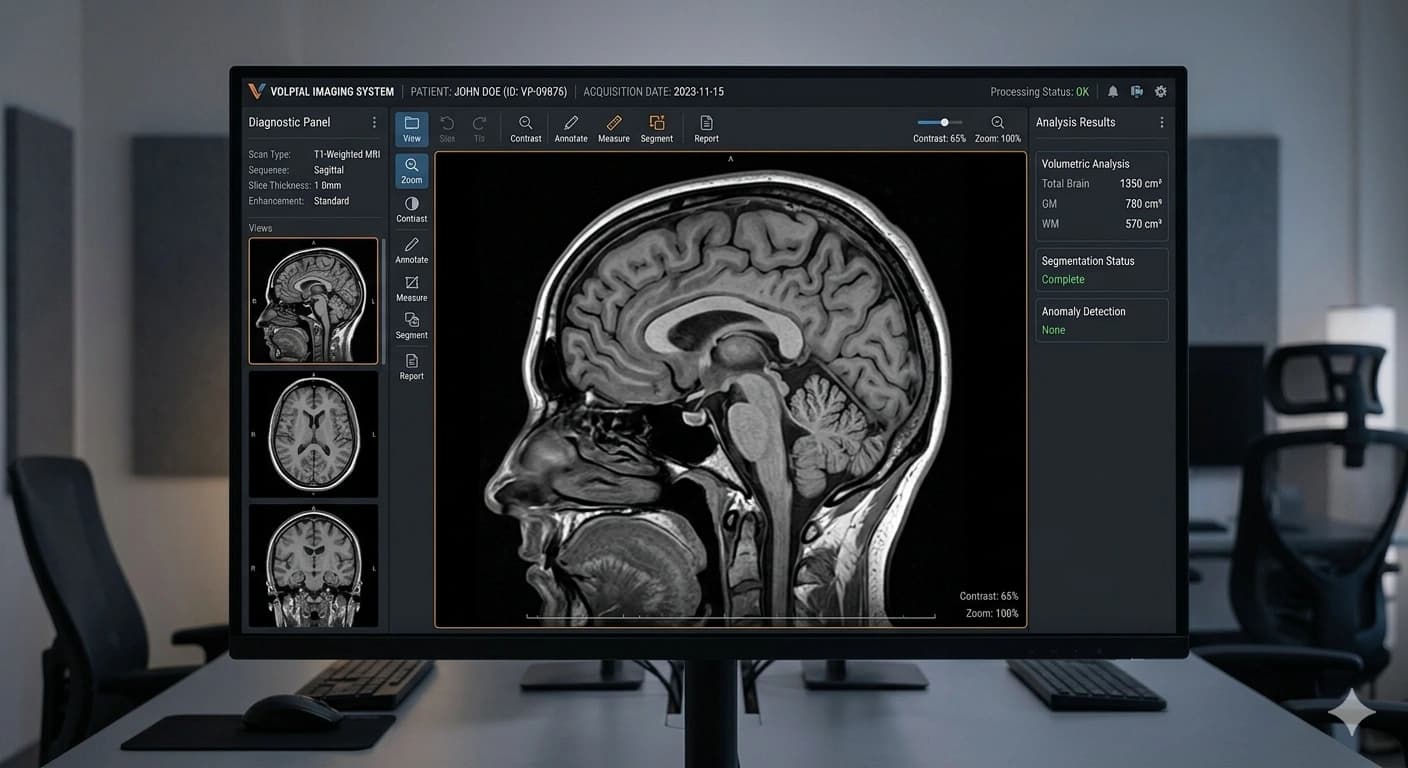
Radiology Workflow Support
Provide clearer imaging outputs to support faster and more efficient review processes.
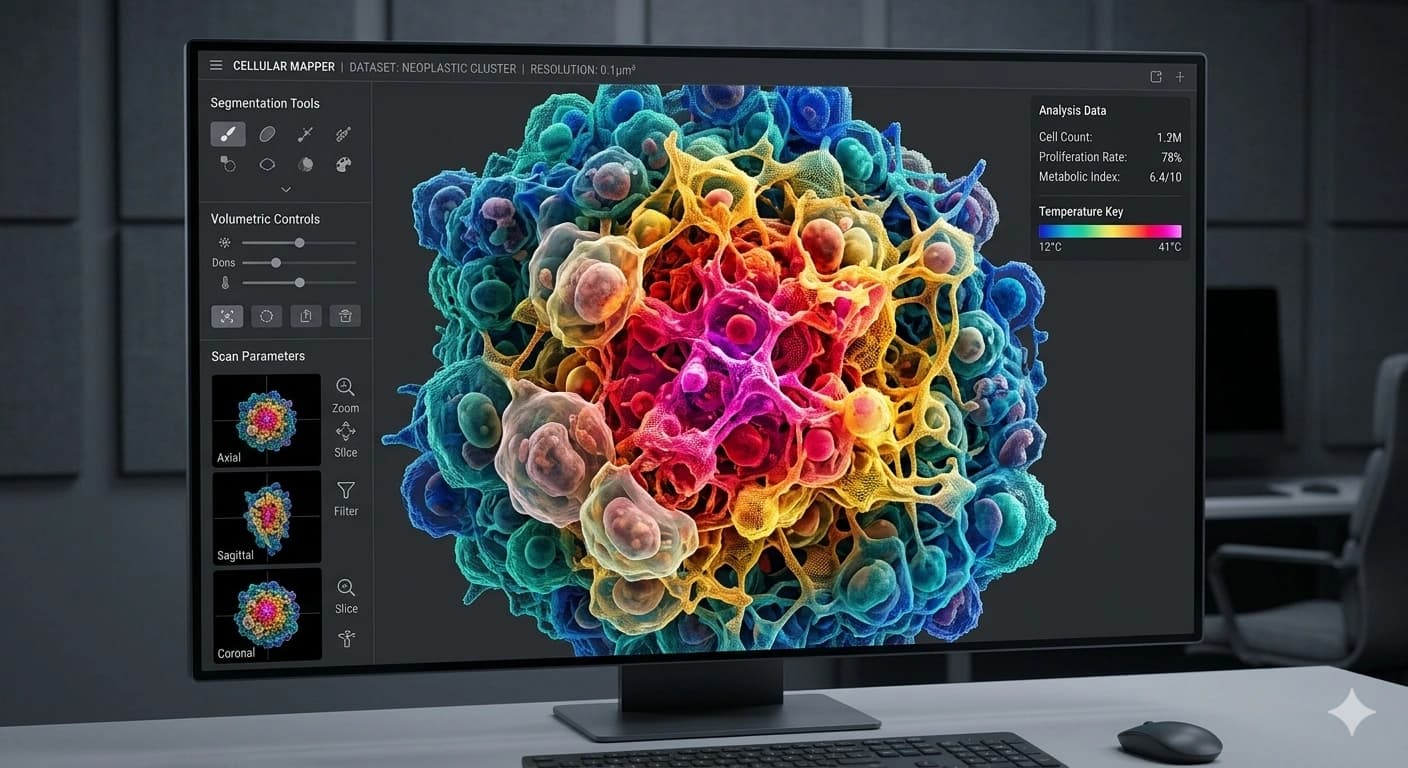
Medical Research
Improve dataset quality for analysis, modeling, and experimentation.
Pre-Visualization Processing
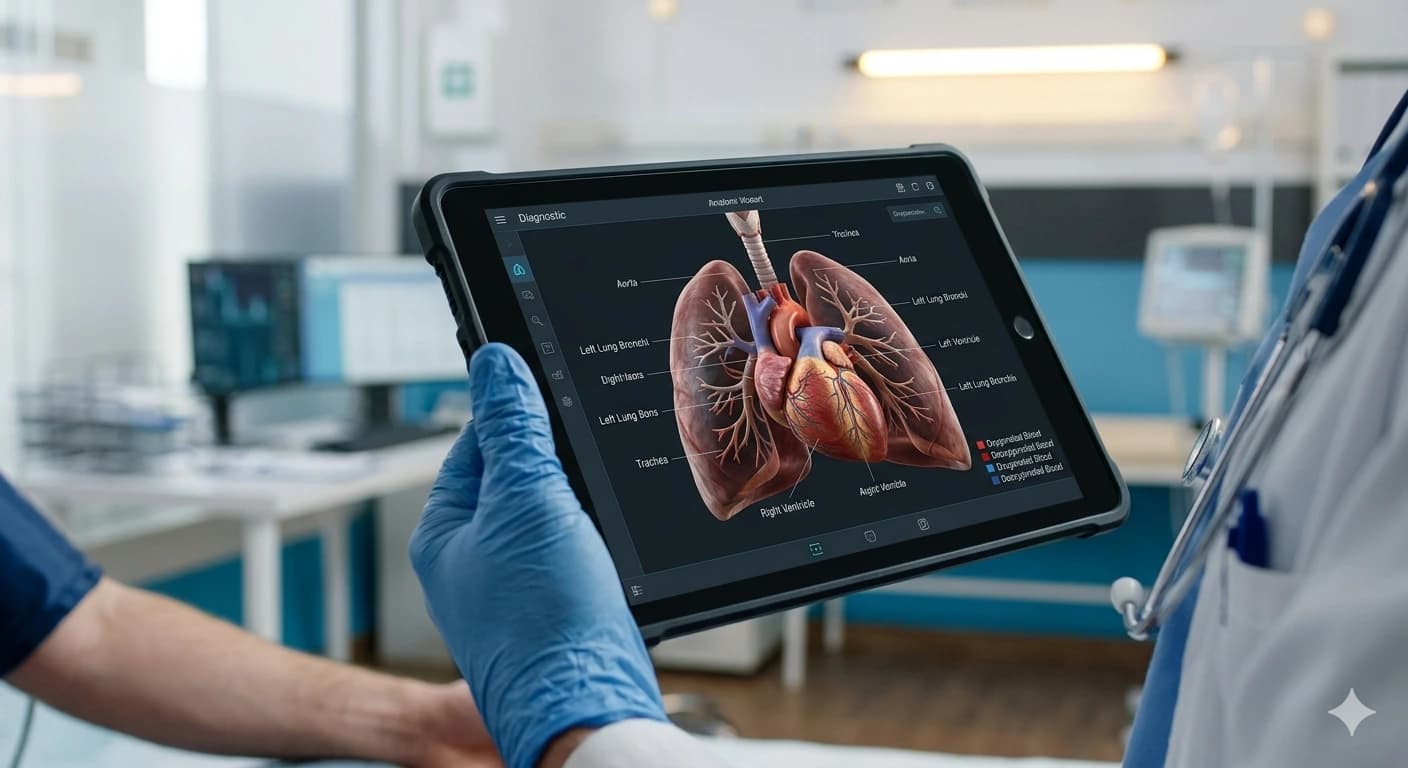
Prepare imaging data for 2D and 3D visualization systems.
Seamlessly Fit into Existing Imaging Workflows
DICOM compatibility
API-based integration
Integration with PACS and imaging systems
Flexible deployment options
Why Use VolPixl Image Enhancement
Improved image clarity and detail
Reduced noise and artifacts
Faster processing workflows
Scalable for high-volume data
Consistent, reliable outputs
Enhance Imaging Quality with AI Precision
Leverage advanced AI models to transform your medical imaging data into clearer, more usable visuals.